
It would be nice if life stayed predictable. Everything from chemical manufacturing to the humble pistachio is currently seeing an impact from Middle East conflict. Alongside the geopolitical turmoil and wars, some relatively stable industries are becoming far less stable. One such industry is the automotive sector, especially those maintaining, testing and repairing. The garage equipment sector faces a raft of challenges, exacerbated by global supply chain disruption. So, let’s look at some of the automotive industry challenges unfolding by 2030.
Automotive industry
According to industry body, the European Automobile Manufacturers’ Association, global vehicle production reached 79 million units in 2025. There are also around 260 million cars on Europe’s roads. The International Energy Agency believes that there are circa 1.6 billion vehicles on the roads globally. Crucially, although estimates vary, the RAC reckons that there are around 2 million electric cars on UK roads. However, they also point to the fact that the average age of a car on UK roads is nearly 10 years. Electric Vehicles (EV) also account for between 1 in 5 and 1 in 4 of every car sold across Europe. The UK Government predicts that we will have up to 11 million hybrid or electric cars on our roads by 2030.
Takeaway: Around 2 million new cars will hit UK roads this year, nearly 1 in 3 of which will be electric, but the age of petrol/diesel cars is increasing.
Garage industry
The garage industry services, maintains, tests and repairs automotive vehicles. There are just under 23,000 licensed and active MOT testing garages across the UK. According to the Society of Motor Manufacturers and Traders, there are 43,000 businesses servicing, maintaining and repairing automotive vehicles, of which around 30,000 are independent. The British Motor Trade Association believes that 7 out of 10 customers prefer independent garages for routine servicing and repairs. Furthermore, YouGov found that nearly half of vehicle owners prefer using independent garages for routine maintenance and tyres. Auto Express found that nearly half of all garage technicians are over 45 years of age and that 140,000 will retire in the next 5 years. Carwow also found that 1 in 4 people prefer at-home visits, despite a slightly higher cost.
Takeaway: Relatively stable market but independents may decline due to the investment required in equipment and the skills needed for electric vehicles.
Garage equipment
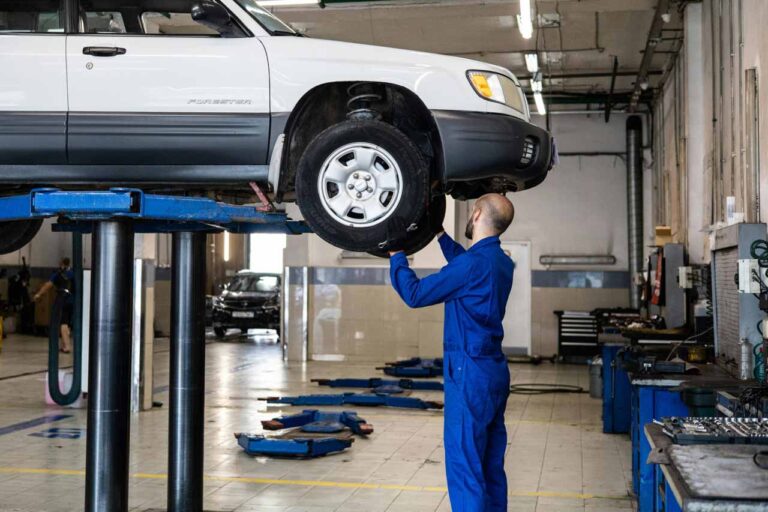
In the eye of the storm are the businesses supplying garage equipment. Those supplying independent garages will be worst affected. Electric Vehicles, Advanced Driver Assistance Systems (ADAS), complex Electronic Control Units (ECU) and increasing in-car technology requires greater investment. This covers specialist diagnostic, alignment, battery testing and lifting equipment. Estimates vary but garages allocate 8-10% of revenue on their equipment every year. There are around 200 suppliers to these garages, covering advanced diagnostic equipment to high-technology workshop design and calibration tools to tyre changers. The approximately £300m revenue is forecast at 4% to 8% CAGR, depending on the uptake of new, advanced equipment. Crucially, the sector is experiencing acute supply chain disruption and fluctuating raw material costs at the same time as needing to develop and promote technologically advanced workshop solutions. There is also a looming labour crisis as an ageing workforce retires and fewer under-25s enter the market.
Takeaway: Balancing high operating costs with supply chain challenges whilst investing in and promoting advanced equipment with a tightening labour supply.
Automotive industry challenges
The move to electric, tighter emissions regulations, increasing technology and increasing weight are all major challenges. Similarly, an ageing fleet of petrol and diesel vehicles will need ongoing maintenance. Smaller and independent garages may not be able to afford the outlay to service, test, maintain and repair EVs. Even if they do, there is forecast to be a shortfall of trained technicians beyond 2030 for the number of vehicles on the road. Garage equipment makers have had to adapt to heavier vehicles, larger tyres (SUVs) and complex safety systems. The significant investment required, rising operational costs and current UK tax regime may push more business towards the main dealer network and major garage chains. Similarly, the trend towards at-home services may further disrupt the market.
The UK is introducing a pay-per-mile scheme from April 2028 for all electric vehicles and plug-in hybrids. The current Electric Car Grant (ECG) scheme offers £1,500 or £3,750 for qualifying vehicles with a retail price of under £37,000. How long this scheme will last if we surpass 1 in 3 vehicles sold as electric is anyone’s guess. In theory, it will in some way exist to 2030 or 2035, with 80% of cars and 70% of vans sold as zero-emission by 2030 and 100% by 2035. Under pressure from motor manufacturers and out-of-sync with the EU makes the UK a relative ‘outlier’ in this net zero policy. There is mounting pressure to delay and/or adopt proposals for bio-fuels to allow Internal Combustion Engine (ICE) sales to continue.
Supporting you with automotive industry challenges
Think Beyond has worked with major players in the automotive industry. We also have substantial expertise working with engineering and manufacturing businesses. So, as the industry enters more turbulent waters, we offer solutions and perspectives to support you. Our approach revolves around the needs of clients. Our services offer informed strategy execution, sustained.
If you would like to reach out for an informal chat, simply get in touch via our website.
Alternatively, why not drop a brief email with your details to sales@think-beyond.co.uk.
Finally, why not read our thoughts on acquisitions or about increasing cashflow growth.